Spring in Aurora brings a surge of home renovations, landscaping overhauls, and business inventory shifts. Managing materials, tools, and displaced belongings during these projects demands a reliable, weatherproof solution on your property. That is exactly where outdoor storage containers aurora co residents and businesses turn to every year between March and June. A portable storage container placed in your driveway or job site keeps everything organized, secure, and within arm’s reach.
This guide answers the most common questions about spring storage solutions aurora renters ask, from sizing and permits to costs, delivery speed, and weather protection. Whether you need a container for a weekend deck build or a three-month kitchen renovation, the details below will help you choose the right rental, avoid city code violations, and protect your belongings from Aurora’s unpredictable spring storms.
Have questions about renting a storage container this spring? Reach out to Great Lakes Kwik Space today for fast, straightforward answers.
The most frequent question from Aurora homeowners planning spring work is about container size. Picking the wrong dimensions wastes money on unused space or forces you into a second unit.
Standard container sizes available for residential and commercial rental in Aurora include 10-foot, 20-foot, and 40-foot units. A 10-foot container holds roughly the contents of two average bedrooms and works well for small landscaping jobs or garage cleanouts. A 20-foot container fits the equivalent of a one-car garage, making it the most popular choice for kitchen or bathroom renovations. A 40-foot unit handles whole-house remodels, large commercial inventory, or construction material staging.
| Container Size | Approximate Capacity | Best Spring Use Case | Typical Monthly Cost (Aurora, 2026) |
| 10 ft | 2 rooms / ~500 cu ft | Garage declutter, small landscaping | $120 – $180 |
| 20 ft | 1-car garage / ~1,150 cu ft | Kitchen/bath renovation, deck build | $180 – $300 |
| 40 ft | 2-car garage / ~2,350 cu ft | Whole-house remodel, business inventory | $275 – $450 |
A good rule: inventory your items before ordering. Measure large pieces like appliances, furniture, or lumber stacks. If you are between sizes, go one size up. The cost difference between a 10-foot and 20-foot unit is often less than $80 per month, and the extra room prevents stacking damage and gives you a walkable aisle inside the container.
Spring Storage Container Size Tip: For a standard Aurora kitchen renovation displacing cabinets, countertops, and appliances, a 20-foot container provides enough room for all removed materials plus tools and new supplies waiting for installation.
Storage container rental Aurora residents use often need ranges from two weeks to six months. Most Aurora-area providers, including Great Lakes Kwik Space offer flexible terms without locking you into a rigid lease.
Short-term rentals (one to four weeks) suit quick projects like spring cleaning, yard sales, or brief construction phases. Monthly rentals work best for renovations that stretch across April and May. Multi-month agreements typically come with a discounted per-month rate, saving 10% to 20% compared to the single-month price.
Ask your provider about prorated billing. If your spring renovation wraps up mid-month, some companies charge only for the days used rather than a full additional month. Others operate on a strict 28-day or 30-day billing cycle. Clarifying this before signing prevents surprise charges.
Extension policies matter too. Aurora’s spring weather can delay outdoor projects by a week or more. A provider that allows phone or email extensions with 48 hours’ notice gives you a safety net. Penalties for late returns vary, but most range from $5 to $15 per extra day, so building a small time buffer into your original rental period is worth the modest added cost.
For businesses handling seasonal storage inventory cycles, a three-month spring rental from March through May covers the busiest restocking period and aligns with the end of Q1 and start of Q2 sales pushes.
Placing a container on your property in Aurora requires awareness of both city regulations and homeowners association (HOA) rules. The City of Aurora’s zoning code treats temporary storage containers differently from permanent structures, but restrictions still apply.
Aurora generally allows temporary storage containers in residential driveways and side yards for up to 90 days without a special permit, provided the container does not block sidewalks, encroach on public right-of-way, or obstruct sight lines at intersections. Containers placed on unpaved surfaces or front yards may trigger code enforcement action depending on your zoning district. Always verify current rules with the appropriate departments before delivery, as municipal codes update periodically.
Projects involving construction often already require a building permit, and the storage container falls under that project scope. If you are placing a container solely for personal storage with no associated construction permit, check whether your specific neighborhood requires a temporary use permit.
HOA restrictions add another layer. Many Aurora subdivisions have rules limiting container placement duration to 30 days or requiring architectural review board approval. Request written HOA guidelines before scheduling delivery.
For commercial properties, Aurora’s commercial zoning districts are generally more permissive, but containers still cannot obstruct fire lanes, ADA-accessible routes, or designated parking minimums.
Need help figuring out Aurora placement rules for your spring project? Contact Great Lakes Kwik Space for a free consultation and delivery estimate.
Spring is peak season for container rentals across Illinois. Booking early determines whether you get same-week delivery or face a two-week wait.
Most Aurora-area storage container providers offer delivery within 24 to 72 hours during off-peak periods. Between mid-March and late May, demand spikes, and lead times can stretch to five to seven business days. Scheduling your delivery at least two weeks before your project start date is the safest approach for spring 2026.
Delivery logistics depend on your property layout. A standard tilt-bed truck needs roughly 60 feet of straight clearance to slide a 20-foot container off the trailer. Low-hanging tree branches, overhead power lines, and steep driveway grades can complicate placement. Measure your driveway length, width, and overhead clearance before booking. Share photos with your provider so the driver arrives prepared.
Drop-off typically takes 15 to 30 minutes. The driver positions the container, levels it if needed, and confirms placement with you. Pick-up follows the same process in reverse. Some companies include one repositioning move in the rental price; others charge $75 to $150 for any post-delivery adjustment.
A well-built storage container handles all of Aurora’s spring weather fluctuations.
Steel construction is the standard. Shipping-grade containers use 14-gauge to 16-gauge corrugated Corten steel, a weathering steel alloy designed to resist corrosion. Doors seal with rubber gaskets that block wind-driven rain. Roof panels are welded, not bolted, eliminating leak points at seams. A container in good condition keeps the interior dry regardless of weather conditions.
Ventilation matters for moisture control. Containers without vents can develop interior condensation when daytime heat gives way to cold nights. Look for units with built-in vents near the roofline or request a vented model. Placing a few desiccant packs or a battery-powered dehumidifier inside adds extra protection for fabric, paper, or electronics.
Not everything belongs in an unheated steel box. Use this breakdown to decide what goes where:
Outdoor container safe: Furniture (wood, metal, and plastic), tools, construction materials, sporting equipment, holiday decorations in sealed bins, appliances, lawn and garden equipment, boxed kitchenware, and most clothing in sealed garment bags.
Climate-controlled unit recommended: Fine art, wine collections, vinyl records, antique wood furniture susceptible to warping, pharmaceuticals, sensitive electronics like servers or musical instruments, and photographs or documents without archival-quality protection.
Spring temperatures in Aurora vary daily, which can stress temperature-sensitive items over a multi-week rental. If your project displaces a piano, a wine collection, or irreplaceable family photos, a climate-controlled facility is worth the extra $40 to $80 per month.
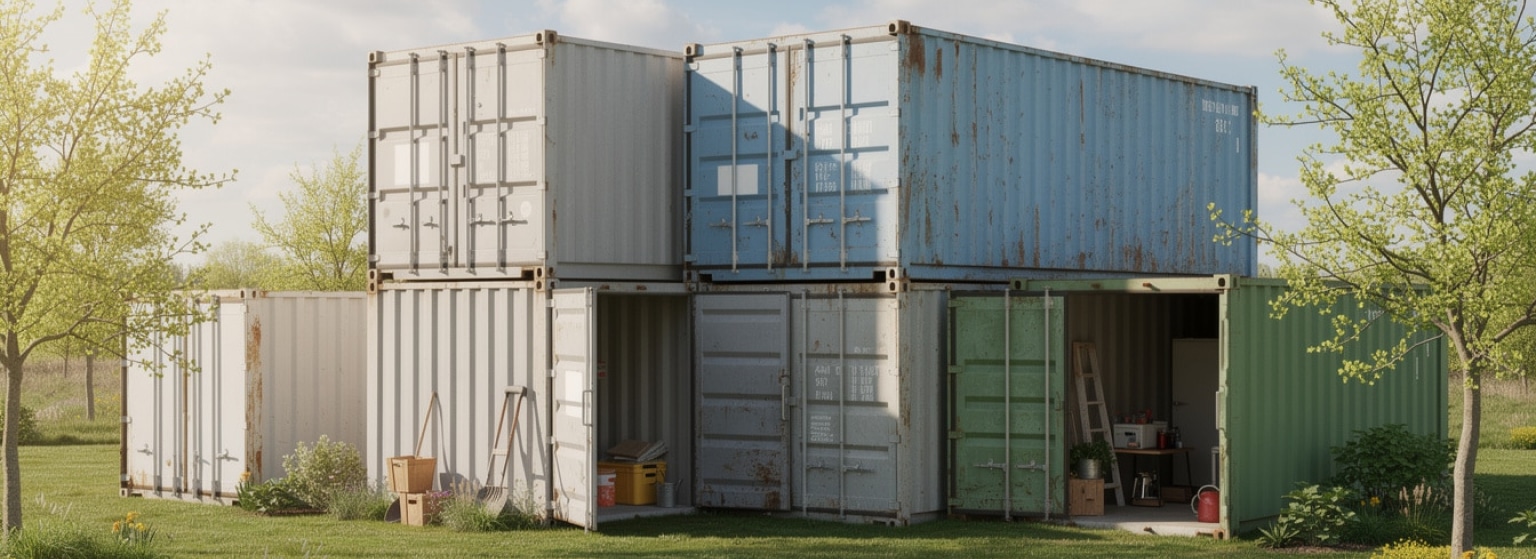
Renting a portable storage container in Aurora depends on the size or type you choose and how long you need it.
Beyond the monthly rate, a few additional costs can affect your total. Delivery and pickup fees vary based on your location, and renters in harder-to-reach areas of Aurora may pay more for those services. Extended rentals beyond your scheduled end date can also result in additional charges, so it’s worth coordinating with your provider in advance if you need extra time.
Spring is a busy season for storage rentals in the Aurora area, so locking in a quote early can help you secure the best rate and availability. Pricing is typically influenced by container size, rental duration, and your specific location, so getting a few quotes from local and regional providers like Great Lakes Kwik Space is the best way to find the right fit for your budget.
Businesses in Aurora rent storage containers for seasonal inventory just as frequently as homeowners rent them for renovations. Retailers, restaurants, and contractors all rely on temporary on-site storage during spring.
Retail and restaurant use: Seasonal inventory like patio furniture, outdoor dining equipment, and spring merchandise arrives weeks before it hits the sales floor. A 20-foot or 40-foot container parked behind the building serves as an overflow stockroom, eliminating the cost of leasing additional warehouse space. Restaurants transitioning to outdoor dining in April store winter fixtures and indoor overflow seating in containers until fall.
Construction and trades: General contractors, roofers, and landscapers working multiple Aurora job sites use containers to secure tools and materials overnight. A container on-site reduces theft risk and eliminates daily trips to a central warehouse. For a busy spring season with overlapping projects, renting two or three containers across different locations is often cheaper than maintaining a permanent storage facility.
Event companies: Aurora’s spring event calendar, community festivals, and corporate gatherings across Chicagoland create demand for temporary storage of staging, AV equipment, and décor.
Commercial rentals often come with net-30 invoicing, volume discounts for multiple units, and priority delivery scheduling. Businesses planning seasonal storage Aurora, IL operations should request a commercial account setup for streamlined billing and dedicated support
The return process is straightforward, but a few steps ensure you avoid extra charges and scheduling headaches.
Step 1: Schedule pick-up early. Contact your provider at least five to seven business days before your desired pick-up date during spring. Peak-season truck schedules fill quickly, and last-minute requests may result in a two to three day delay that triggers additional daily rental fees.
Step 2: Empty the container completely. Providers charge a cleaning or disposal fee, typically $50 to $200, if items remain inside at pick-up. Sweep out dirt, remove all shelving or organizational materials you added, and ensure nothing is attached to the interior walls.
Step 3: Clear the path. The tilt-bed truck needs the same clearance for pick-up as it did for delivery. Move vehicles, trash bins, and any obstacles that appeared during your project. Trim back any branches that grew into the clearance zone over the past few months.
Step 4: Inspect for damage. Walk around the container and photograph all four sides, the roof, and the interior. Compare against your delivery photos. Report any pre-existing damage notations from your rental agreement so you are not billed for wear that was already documented.
Step 5: Confirm final billing. After pick-up, request a final invoice showing the rental period end date, any prorated credits, and the status of your security deposit if one was collected. Most providers process deposit returns within seven to ten business days.
How do I return a storage container after my spring project is complete in Aurora? Follow the five steps above, and you will close out your rental cleanly with no surprise fees.
Aurora’s spring project season fills container inventories fast. Homeowners tackling renovations, businesses rotating seasonal stock, and contractors staging job sites all compete for the same limited supply between March and June 2026. Booking now locks in your preferred size, secures a competitive rate, and guarantees delivery on your timeline. Great Lakes Kwik Space provides storage container rental aurora spring customers depend on, with fast delivery, transparent pricing, and flexible terms built for real project schedules.
Contact Great Lakes Kwik Space now to reserve your spring storage container in Aurora.
Yes. Aurora allows temporary storage containers in residential driveways for up to 90 days without a special permit in most zoning districts. The container must not block sidewalks, public right-of-way, or intersection sightlines. Check with your HOA for additional restrictions specific to your subdivision.
For placements under 90 days tied to a construction project with an existing building permit, no separate container permit is typically required. Placements exceeding 90 days or on properties without an active building permit may require a temporary use permit.
Great Lakes Kwik Space can frequently deliver containers within 24 to 72 hours of order confirmation. However, demand or container availability can impact this. Contact us to learn more about our delivery times and current inventory.
Absolutely. Retailers, restaurants, contractors, and event companies across Aurora rent 20-foot and 40-foot containers for seasonal overflow. Commercial accounts offer net-30 billing, volume discounts, and priority scheduling.
Most providers offer terms from one week to twelve months. Monthly rentals are the most common for spring renovations. Multi-month agreements typically include a 10% to 20% discount on the per-month rate.
Avoid storing fine art, wine, antique wood furniture, sensitive electronics, pharmaceuticals, and irreplaceable photographs. For temperature-controlled items, use a container outfitted with climate-control.